CALL US NOW

DUI Checkpoints in Delaware
Getting caught driving under the influence in Delaware can lead to serious consequences. To help prevent accidents before they happen, police often use DUI checkpoints, also called sobriety checkpoints, as part of their efforts to catch impaired drivers.
What Are DUI Checkpoints?
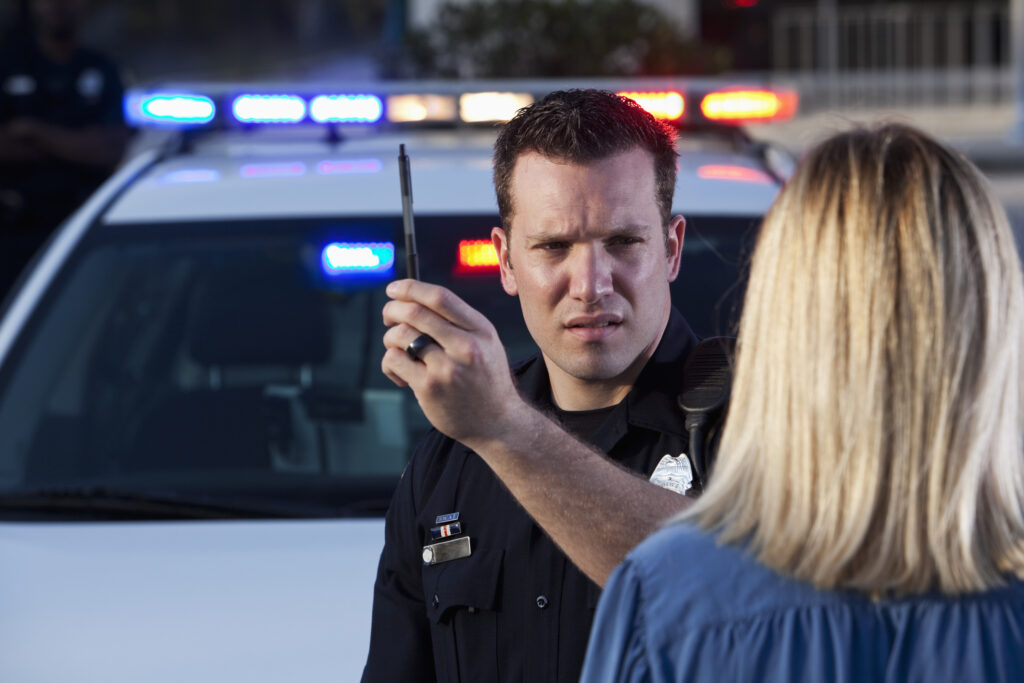
These checkpoints are temporary stops set up along the road where officers briefly speak with drivers and look for signs that someone might be under the influence. If a driver shows signs of impairment, such as slurred speech or smells of alcohol, they may be asked to pull over for further testing, which could include a breath test or field sobriety exercises.
Are DUI Checkpoints Legal in Delaware?
Sobriety checkpoints are legal in Delaware. Police departments use them to deter and catch impaired drivers, which helps to reduce alcohol-related crashes and promote public safety. That said, there are strict rules that officers must follow to ensure these stops are legal and don’t violate drivers’ rights.
The U.S. Supreme Court upheld DUI checkpoints in the 1990 case Michigan Department of State Police v. Sitz. The Court decided that keeping roads safe from drunk drivers justified the brief stop of motorists, as long as the checkpoints followed transparent and fair procedures.
Delaware follows the same general approach. State and local law enforcement may set up checkpoints if they follow specific guidelines.
What the Law Requires for DUI Checkpoints in Delaware
Delaware police must meet the following standards when operating a sobriety checkpoint to comply with constitutional protections.
Approval from a Supervisor
A ranking officer, not a patrol officer in the field, must approve the checkpoint. This helps ensure the stop is part of a larger safety strategy and not based on personal judgment.
Written Plan
Officers must create a written plan before setting up the checkpoint. This plan explains how the checkpoint will work, including which vehicles will be stopped, where it will be held, and how long it will last.
Consistent Method for Stopping Drivers
Officers can’t pull over cars at random. They must follow a set pattern or formula to decide which drivers to stop, which helps avoid claims of bias or unfair treatment.
Appropriate Time and Place
The location and timing of the checkpoint must make sense. For example, it could be placed in an area with a history of alcohol-related crashes or set up during late-night hours when drunk driving is more common. It can’t just be about stopping as many cars as possible.
Keeping It Brief and Respectful
DUI checkpoints in Delaware are supposed to cause as little disruption as possible. Unless there’s a reason to investigate further, drivers should only be delayed briefly. Officers don’t have the right to search your car or hold you without a valid reason.
Letting the Public Know
Delaware police often announce upcoming checkpoints ahead of time even though they are not required by law to do so. These notices might appear in local news, press releases, or social media. The idea is to discourage impaired driving by making people think twice before getting behind the wheel, not to catch drivers off guard.
What to Expect at a Delaware DUI Checkpoint
If you encounter a DUI checkpoint in Delaware, you’ll be directed to slow down and may be required to stop. An officer will typically ask to see your driver’s license and vehicle registration and may ask a few brief questions, such as whether you’ve been drinking. The officer will observe your behavior, looking for any signs of impairment, such as slurred speech, the smell of alcohol, or bloodshot eyes. If no impairment is detected, you’ll be allowed to continue within a minute or two. If the officer has reasonable suspicion that you may be under the influence, you may be asked to pull over for further evaluation or testing.
Your Rights at a DUI Checkpoint
Even though DUI checkpoints are legal, you still have rights under both the U.S. Constitution and the Delaware State Constitution.
You Are Not Required to Incriminate Yourself
You can choose not to answer questions beyond providing identification and registration. You are not required to admit to drinking or answer where you are coming from or going.
You Can Decline Field Sobriety Tests
While refusing a breathalyzer can have legal consequences under Delaware’s implied consent laws, you are not legally required to perform field sobriety tests.
You Can Challenge the Legality Later
If you are arrested at a checkpoint, your attorney may be able to challenge the legality of the stop or the way the checkpoint was conducted. Evidence gathered may be suppressed if law enforcement did not follow proper procedures.
Penalties for DUI in Delaware
The consequences of being charged with A DUI can be serious, even for first-time offenders. Penalties may include fines and the suspension of your driver’s license. You may be required to attend alcohol education or treatment programs. The installation of an ignition interlock device might also be mandatory. In cases involving repeat offenses, jail time is also possible. The severity of these penalties increases if you have prior convictions, a high blood alcohol content, or if your actions resulted in injury to another person.
Arrested for DUI in Delaware?
A DUI charge can disrupt your life with fines, license suspension, and jail time. A defense attorney can make all the difference. The Delaware DUI Defender fights to protect your rights by challenging questionable stops or tests. We work to reduce or dismiss charges when possible. Whether it’s your first offense or you’ve been through this, we’ll guide you through every step with clear advice and aggressive representation. Contact us at (302) 678-8700 for a free case review.